Indonesian Cooking by Region: Java, Sumatra, Bali and Beyond
Indonesia is seventeen thousand islands and more than three hundred distinct food cultures, and the food changes dramatically between them. What most people outside the country think of as Indonesian cooking is largely the food of Java and, in particular, of Padang in West Sumatra, because those are the cuisines that spread through restaurants and migration. Knowing the regions makes sense of why two dishes that look similar taste nothing alike.
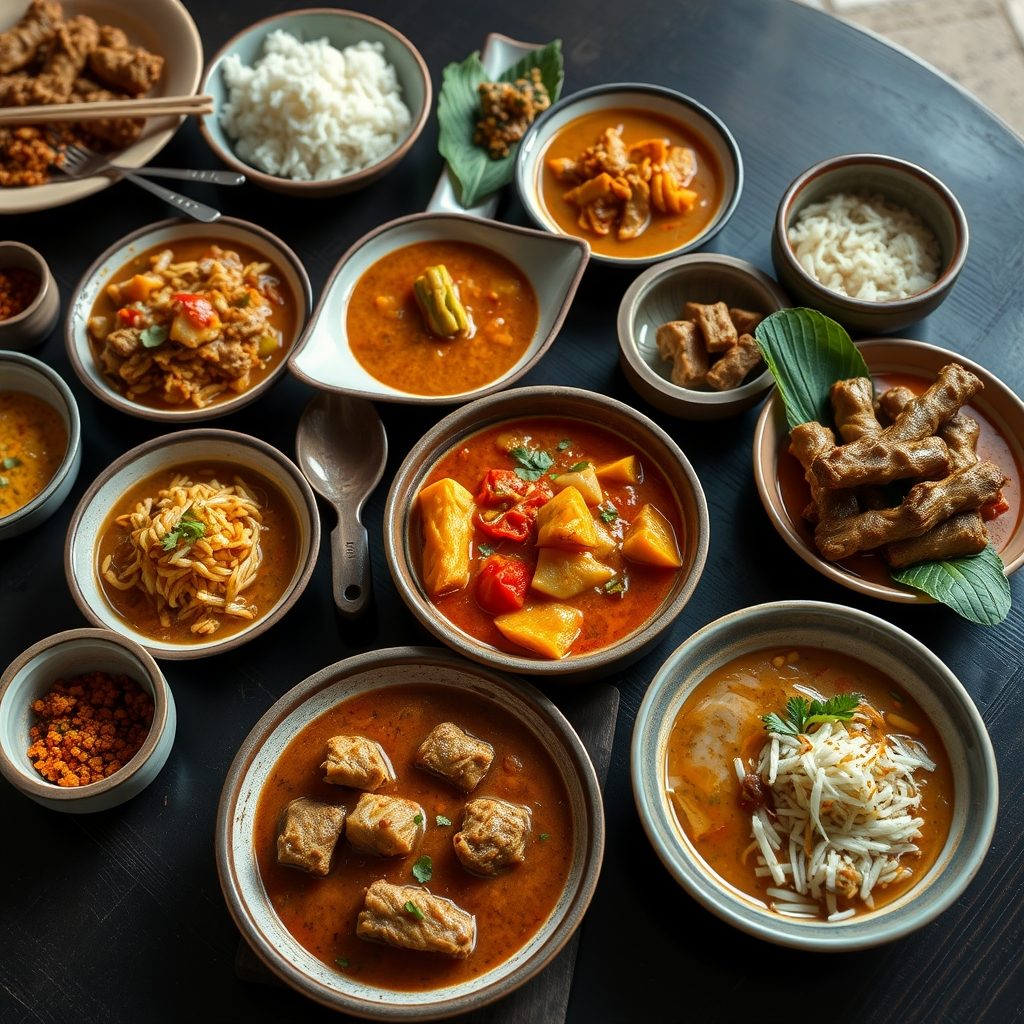
Java: sweet, and the centre of gravity
Javanese cooking is the most widely encountered, and its defining characteristic is sweetness. Palm sugar and kecap manis appear in dishes that elsewhere would be purely savoury, and the result is a rounded, gentle flavour profile that surprises visitors expecting heat.
Central Java, around Yogyakarta and Solo, is where the sweetest and most refined cooking is found. Gudeg, a slow-cooked young jackfruit dish with palm sugar and coconut milk, is the signature, served with rice, chicken and an egg, and eaten mostly in the early morning.
East Java, around Surabaya, swings hard the other way and is known for sharp, salty, chilli-forward food. Sambal there is not a condiment but a central component, and dishes like rawon, a dark beef soup made with keluak nuts, are assertive rather than sweet.
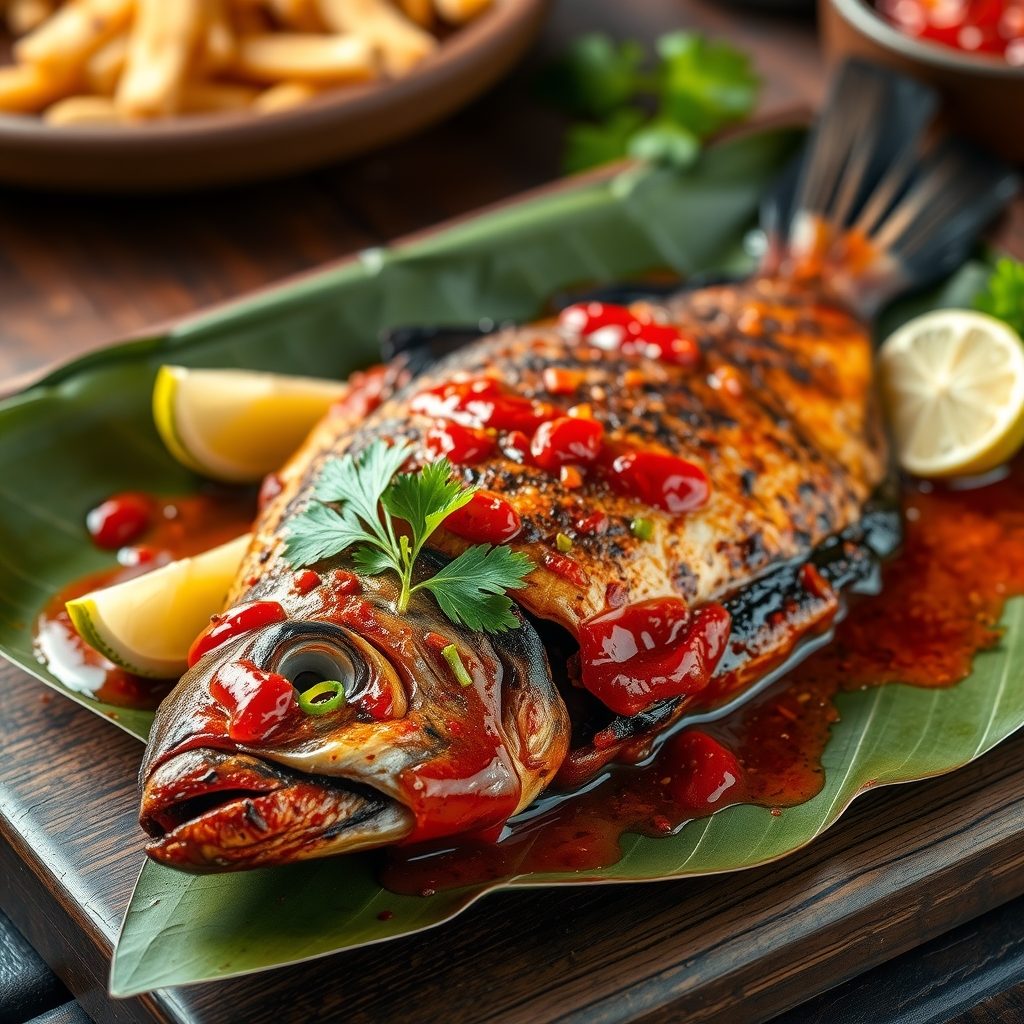
West Java, the Sundanese region, contributes fresh, raw and lightly cooked food: sayur asem, lalapan of raw vegetables with sambal, and grilled fish. It is the lightest of the Javanese cooking styles and the one to cook if you find the rest too rich.
Sumatra: Padang and the spice trade
Padang food, from the Minangkabau highlands of West Sumatra, is Indonesia's most famous export cuisine. It is rich, coconut-heavy and built on long slow cooking. Rendang is the most famous dish in the entire country, made by simmering beef in coconut milk and spice paste for hours until the liquid has gone and the meat fries in its own spice coating.
The Padang restaurant tradition is worth knowing: dishes are stacked on the table in small plates, you eat what you want and pay only for what you take. It is a genuine and unusual service model, and it is how the cuisine spread across the country.
North Sumatra is a different world again, heavily influenced by Batak cooking, which favours grilled and fermented fish, and by the Chinese-Indonesian communities of Medan, whose food shows the clearest Chinese influence in the country.
Aceh, at the northern tip, cooks with a strong South Asian inflection: cardamom, cloves, star anise and a great deal of chilli, closer in some ways to a curry than to Javanese food.
Bali: ceremonial and complex
Balinese cooking is Hindu, and much of it is tied to ceremony rather than to daily meals. Spice pastes there are the most elaborate in the country, with a foundation called base gede that can run to fifteen ingredients including shrimp paste, candlenut, galangal, turmeric and wild ginger.
The most famous dish is babi guling, a whole spit-roasted pig stuffed with a spice paste of chilli, turmeric, ginger and lemongrass. It is a ceremonial dish rather than a home recipe, sold by specialist shops and eaten on special occasions.
Everyday Balinese food is lighter and more aromatic than the Javanese equivalent, and it makes more use of fresh herbs and lime rather than sugar. Lawar, a dish of minced meat, coconut and herbs, is a good example of how far the cooking departs from the rest of the country.
The eastern islands and the Chinese influence
Sulawesi is known for seafood, eaten grilled, fried or in sour soups, and for the Minahasan cooking of North Sulawesi, which is the hottest in the country. Dishes like rica-rica, chicken with a great deal of chilli and ginger, come from there.
Maluku and Papua eat more sago and more fish than rice, and their cooking is by far the least represented outside the country. The spice islands of Maluku were, historically, the entire reason Europeans came to the region at all: nutmeg and cloves grew there and nowhere else.
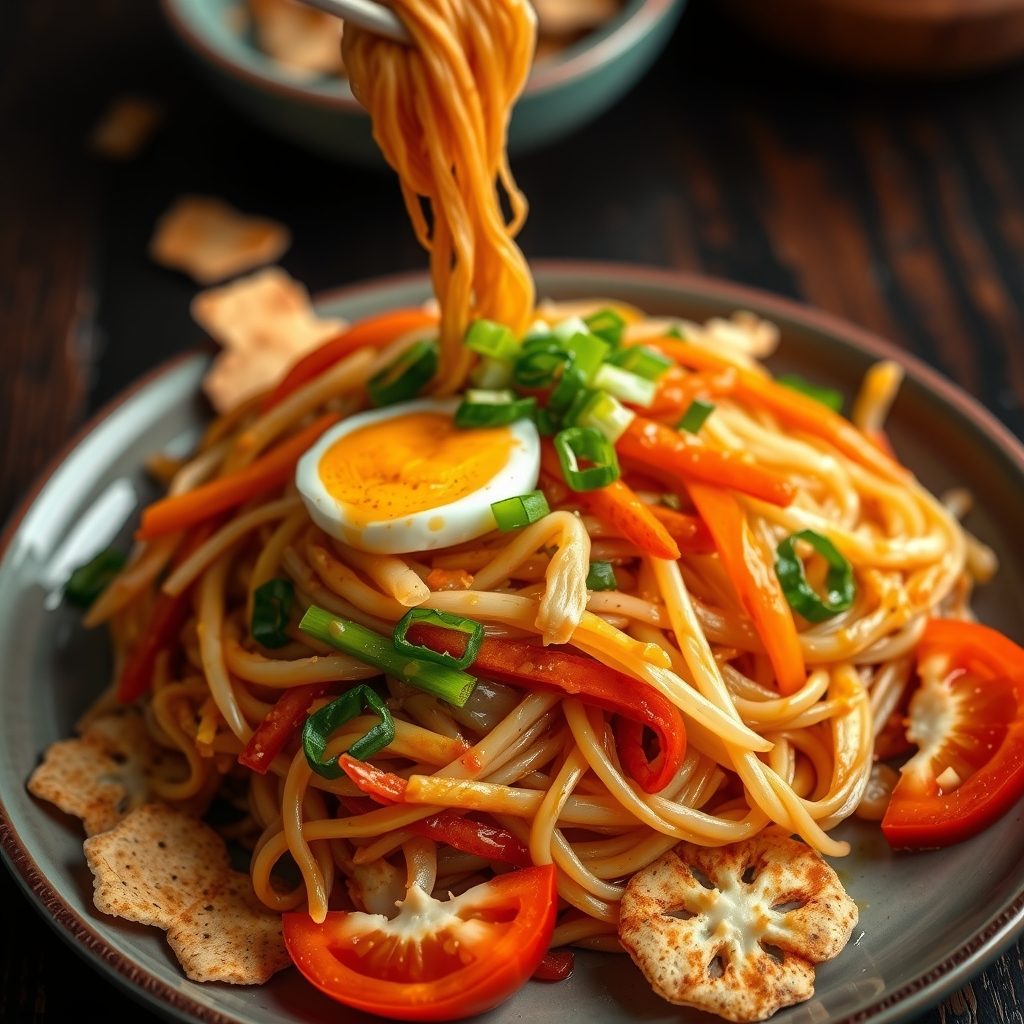
Chinese-Indonesian cooking is not a regional style so much as a thread running through all of them. Noodles, fried rice, bakso meatballs and tofu dishes all arrived through Chinese communities and were then reworked with local flavours. Almost everything on this site that cooks in a wok belongs to that thread.
The practical takeaway for a cook: if a dish is sweet and dark, it is probably Javanese. If it is rich with coconut and slow-cooked, it is probably Sumatran. If it is aromatic and herbal, Balinese. If it is sour and quick, it may be Sundanese or eastern. Once you can place a dish, you can predict how it should taste.
Questions, corrections or a variation from your own kitchen? Use the contact page.
Recipes to try next
More reading: Indonesian Pantry Essentials, Kecap Manis Guide.