Kecap Manis: What It Is and How to Use It
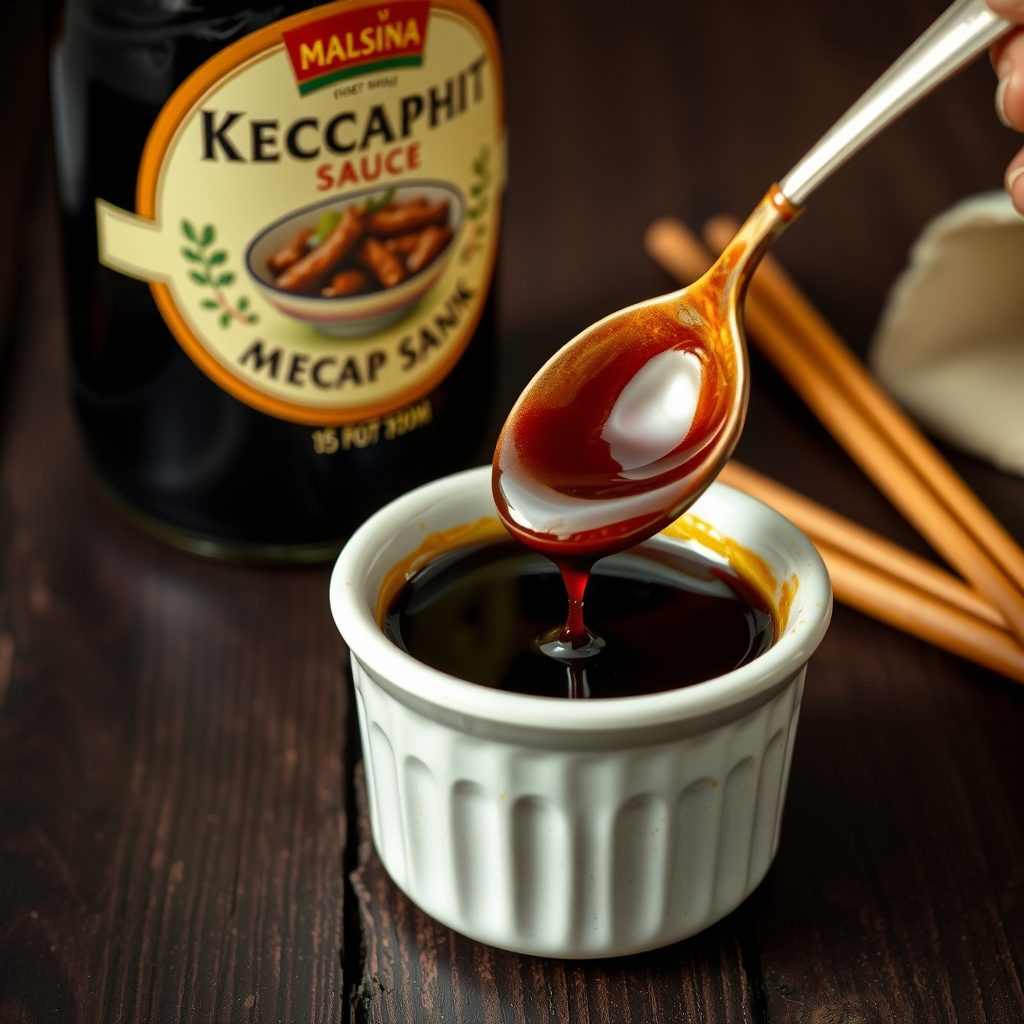
Kecap manis is sweet soy sauce, and it is the ingredient people notice most when they taste Indonesian food for the first time. It is thick, dark and closer in consistency to treacle than to the soy sauce most kitchens keep. It is not a condiment to be used sparingly; in Indonesian cooking it is used by the tablespoon, and it is often what a dish is built around.
What it actually is
Kecap manis is made from fermented soybeans, wheat and salt, cooked down with palm sugar and aromatics, usually star anise and sometimes garlic or galangal. The result is dark, viscous and sweet, with a molasses-like depth and a faint liquorice note from the anise.
The English word ketchup comes from the same root, through a family of fermented fish and soy sauces traded in the region for centuries. Modern tomato ketchup is a distant and much sweeter relative, and the name is the only real remaining connection.
Quality varies enormously. Cheap versions are essentially light soy sauce with sugar and caramel colouring added. Better ones are fermented and reduced slowly, which gives a rounder flavour that is noticeable in dishes where the kecap is the main seasoning rather than one component among many.
How it is used
The most direct use is as a glaze or marinade. Brushed onto grilled fish, chicken or satay, the sugar caramelises and forms a sticky, blistered coating. Because it burns quickly, it is brushed on in layers during cooking rather than before it starts.
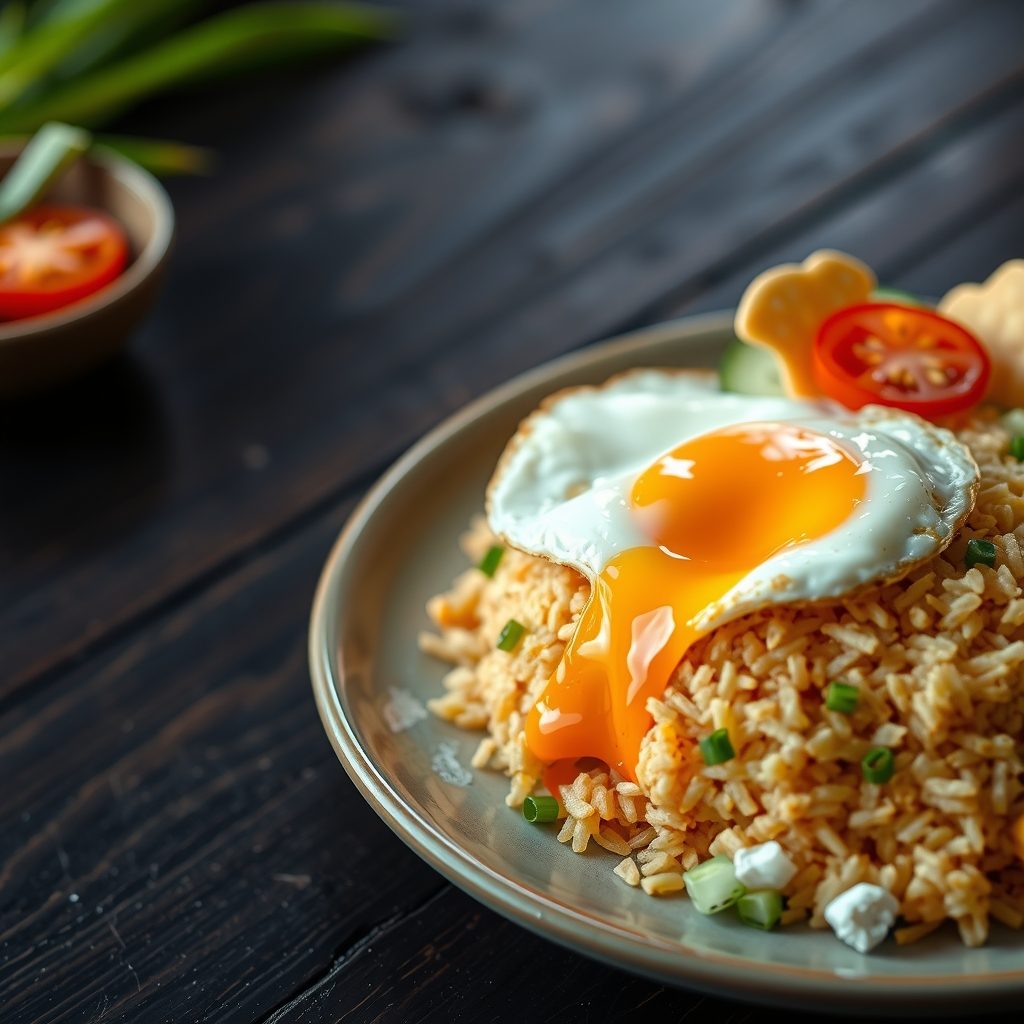
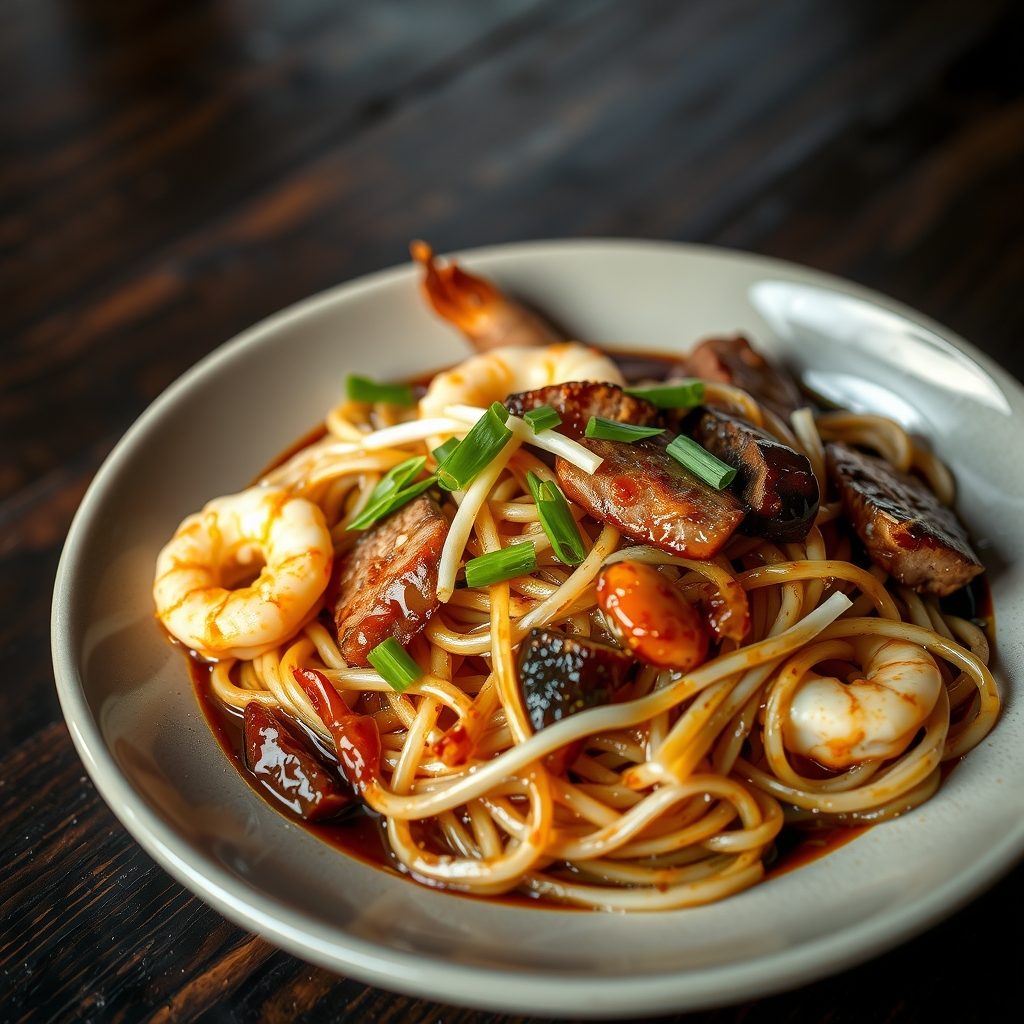
As an ingredient it seasons stir-fries and noodles. Mie goreng and nasi goreng both take kecap manis by the tablespoon, where it supplies sweetness, colour and salt in one ingredient instead of three.
It is also a table condiment, alongside sliced chillies and shallots, particularly for dishes like tahu telur or fried chicken. Mixed with a little vinegar it becomes a dipping sauce.
A less obvious use: a spoonful stirred into a braise or a soup adds colour and a background sweetness that is hard to place but noticeable when it is missing.
Substituting for it
If you cannot find kecap manis, mix two tablespoons of dark soy sauce with one tablespoon of brown sugar, a teaspoon of molasses if you have it, and a tiny pinch of ground star anise. Warm it gently until the sugar dissolves and let it cool. The texture will be thinner than the real thing, so reduce liquid elsewhere in the recipe.
Do not substitute light soy sauce with sugar as a direct swap. Light soy sauce is far saltier, so the result will be both too salty and not sweet enough. Dark soy sauce, which is less salty and more about colour, is the correct base.
For dishes where kecap manis is a small component, the substitution is invisible. For dishes where it is central, such as a kecap manis glazed chicken, the difference is noticeable and worth a trip to an Asian grocer.
One caution: kecap manis contains sugar, and sugar burns. Any recipe that grills or fries with it needs a lower heat and more attention in the last two minutes than the same recipe without it.
Buying and storing
Buy it in glass if you can, since the flavour keeps better than in plastic. A bottle lasts a year or more in the cupboard because of its salt and sugar content.
If your kecap manis thickens or crystallises in the bottle, stand it in a bowl of warm water for ten minutes. Do not add water directly, which dilutes the flavour and thins the texture the dish depends on.
It is worth keeping two bottles if you cook Indonesian food regularly: an everyday one for stir-fries and noodles, and a better one for glazes, where the quality actually shows.
Questions, corrections or a variation from your own kitchen? Use the contact page.
Recipes to try next

More reading: Bumbu Spice Paste Guide, Regional Indonesian Cooking.