Indonesian Pantry: The 15 Ingredients to Start With
Indonesian cooking looks complicated from the outside because the recipes list a dozen ingredients. In practice the same fifteen things appear again and again, and once they are in the cupboard most of the dishes on this site become variations on a theme. This is the list to buy, in the order worth buying it, with a note on what each ingredient actually does to a dish.
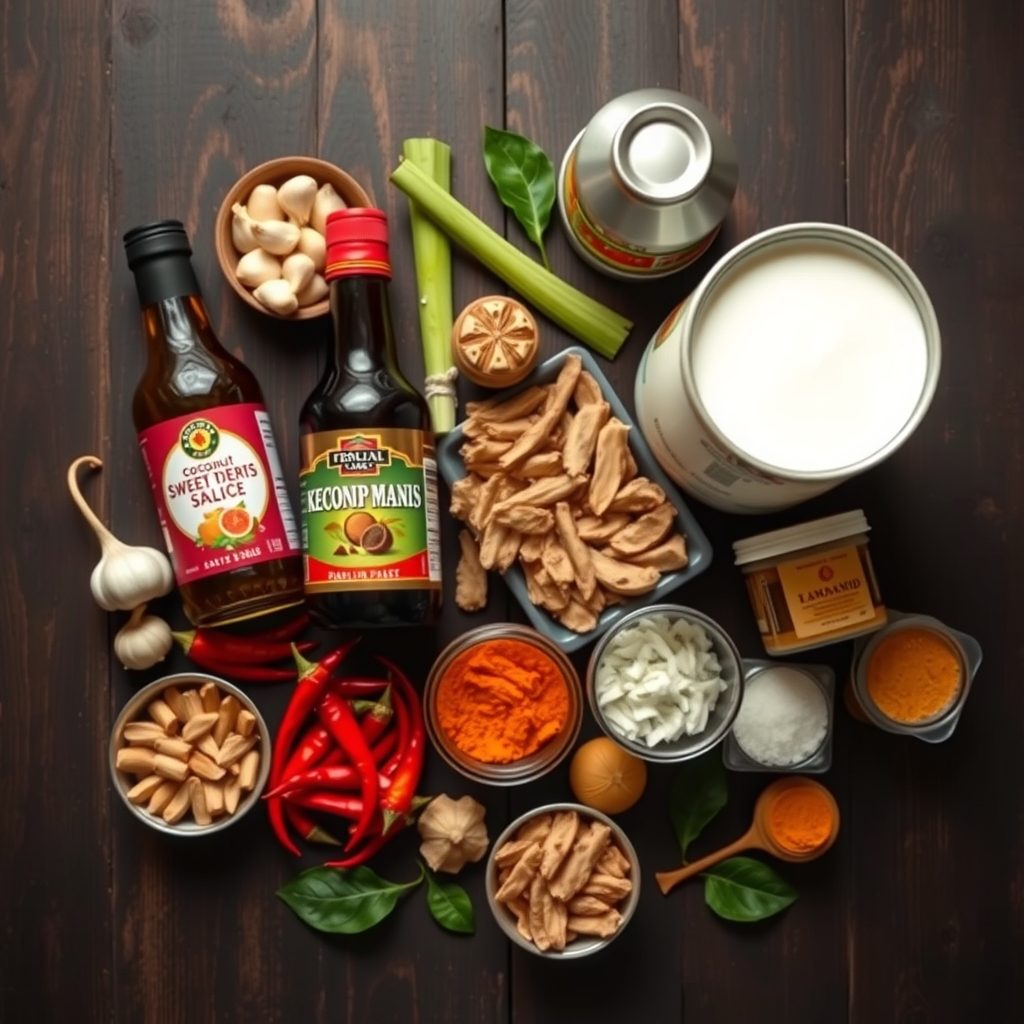
Start with these five
If you buy nothing else, buy these. They appear in almost every recipe on this site and three of them keep for years.
Kecap manis is sweet soy sauce, thick as treacle, and it is the single most identifiable flavour in Indonesian food. It is soy sauce cooked down with palm sugar and spices. Substituting dark soy sauce plus a spoonful of brown sugar gets close; substituting ordinary light soy sauce does not, because what is missing is body and sweetness rather than salt.
Garlic and shallots are the aromatic base of nearly everything, used in far greater quantities than European cooking suggests. A recipe calling for five shallots is not a mistake. Shallots here are the small Asian kind, sweeter and less sharp than the banana shallots sold in most supermarkets.
Fresh red chillies, or sambal, provide heat. Chillies in Indonesia are a flavour rather than a dare, and the amount in a recipe is a starting point.
Coconut milk, ideally full fat tinned, is the base of curries, rendang and desserts. Shake the tin hard before opening and never let it boil hard once it is in a pan or it will split.
The next five
These are what turn a stir-fry into something specifically Southeast Asian.
Tamarind paste, sold as a concentrate or as a block of pulp, is the main souring agent and appears in soups, marinades and sambals. It is sour in a rounder, fruitier way than vinegar. A little goes a long way and it keeps for years in the fridge.
Palm sugar, also sold as gula melaka or jaggery, is a dark, smoky sugar used in cooking rather than baking. It melts into sauces and gives a caramel depth that brown sugar only approximates.
Lemongrass, galangal and ginger are the aromatic trio. Lemongrass is citrus and bright, galangal is piney and peppery, ginger is sharp and warm. They are not interchangeable, though ginger is the only one with a real substitute.
Belacan, or shrimp paste, is sold in hard blocks and smells confronting raw. Toasted in a dry pan it turns savoury and deep, and it is the difference between a curry that tastes authentic and one that tastes like a generic spice blend.
Fish sauce does the same job as salt but adds savoury depth at the same time. Used in small quantities it disappears into the dish and makes everything taste more of itself.
The useful extras
None of these are essential to start, but each one unlocks a group of dishes.
Rice flour and glutinous rice flour are used for fritters and desserts. Glutinous rice flour is not wheat and contains no gluten despite the English name; it is called glutinous because of its sticky texture when cooked.
Dried shrimp and dried anchovies, sold as teri, are fried until crisp and served with rice, or ground into sambals. Dried anchovies in particular are a snack and a condiment at the same time.
Pandan leaves give a grassy, vanilla-like perfume to desserts and rice. Fresh leaves freeze well and a bunch lasts months.
Turmeric, coriander and cumin in ground form are the backbone of most spice pastes. Buy them in small quantities and replace them annually, since ground spices lose their punch quickly.
Kaffir lime leaves, torn or shredded, are dropped into curries and soups at the end of cooking. Freeze them; they keep their aroma far better frozen than dried.
What to buy first, and where
For a first shop, buy kecap manis, coconut milk, garlic, shallots and chillies. That set alone will get you through mie goreng, ayam kecap and a simple sambal. Add tamarind and palm sugar on the second trip, and belacan and galangal on the third.
Asian supermarkets and online grocers carry all of this, usually at a fraction of what specialist shops charge. Tinned coconut milk, kecap manis and rice flour are all commodity items; there is no reason to pay a premium for a brand name.
Two things are worth seeking out specifically. Palm sugar in a block tastes noticeably better than the pale, powdery version sold in some supermarkets, and fresh shallots are worth the extra trip over the dried fried ones for anything where they are the base rather than a garnish.
Finally, buy a stone mortar if you can. A blender makes pastes; a mortar makes pastes with texture. It is not essential, but it changes the result more than any single ingredient on this list.
Questions, corrections or a variation from your own kitchen? Use the contact page.
Recipes to try next
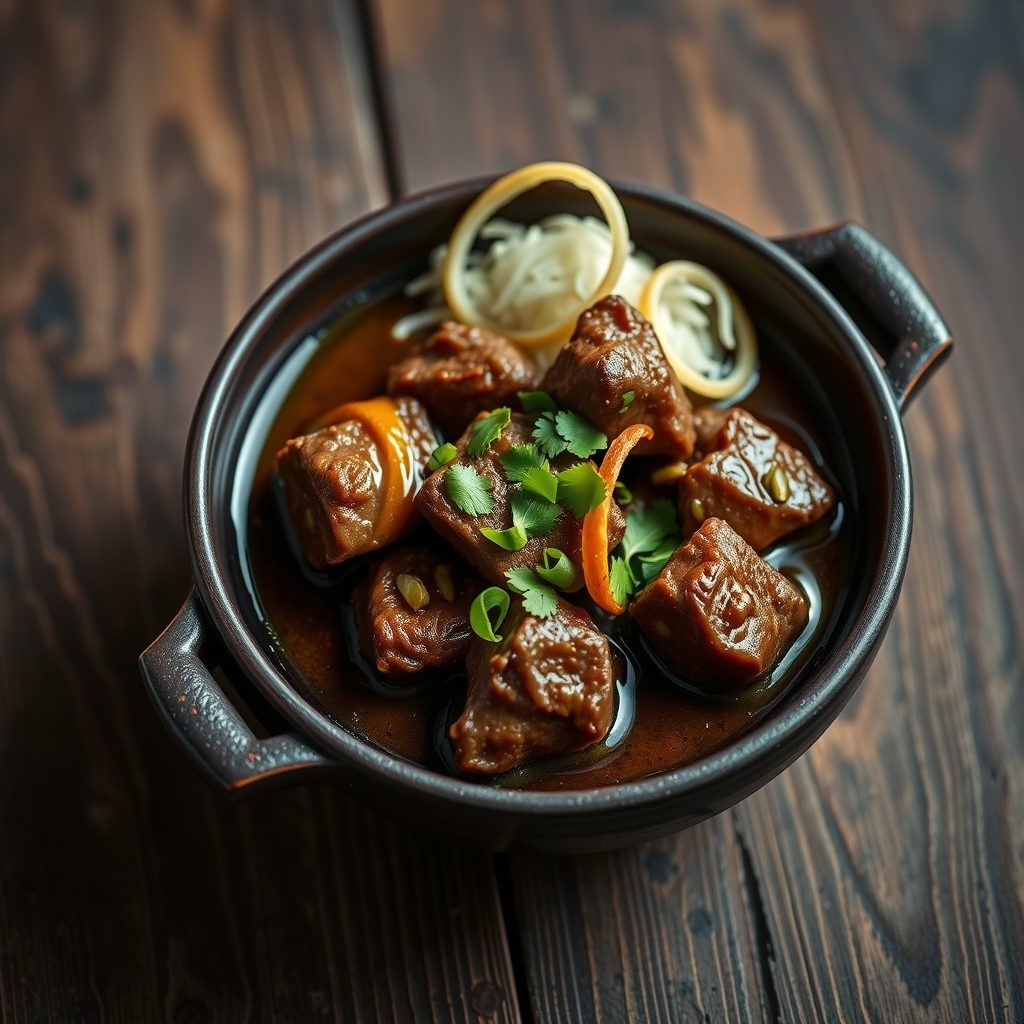
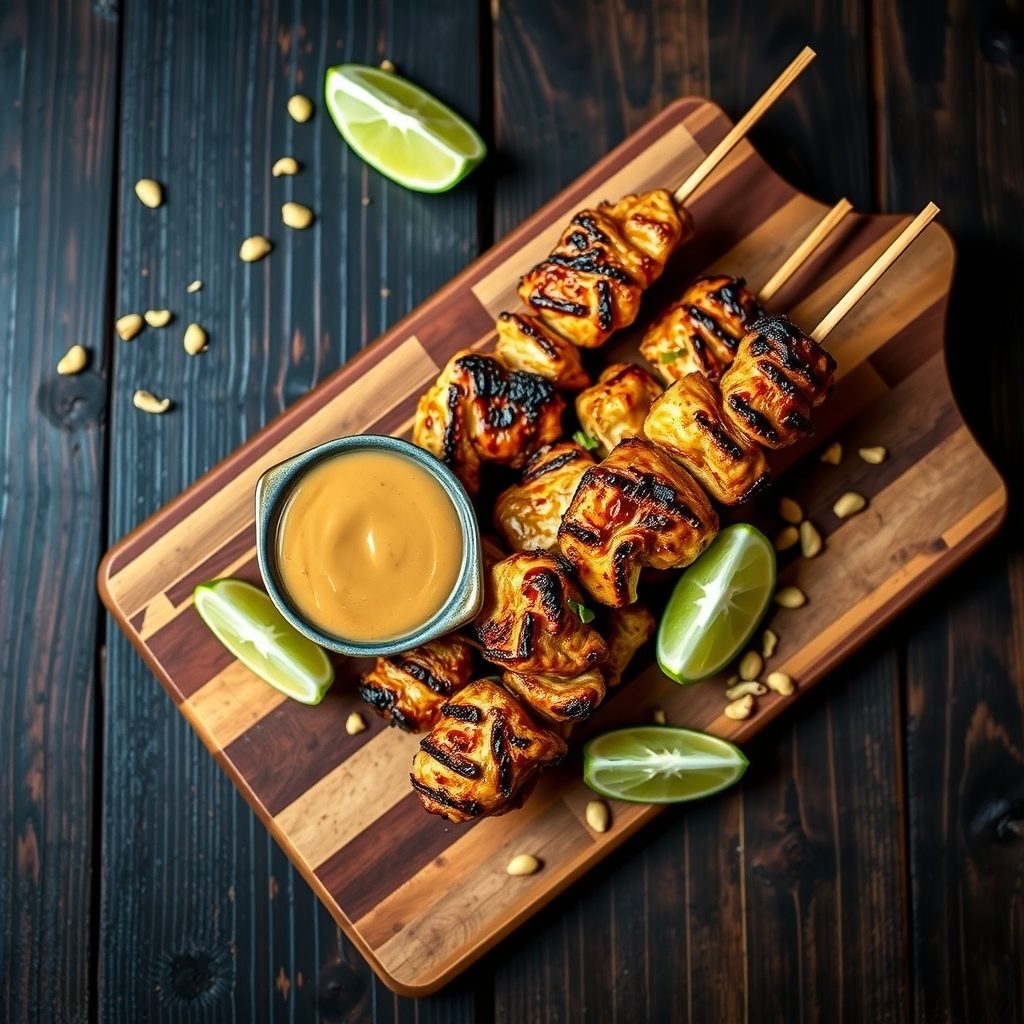
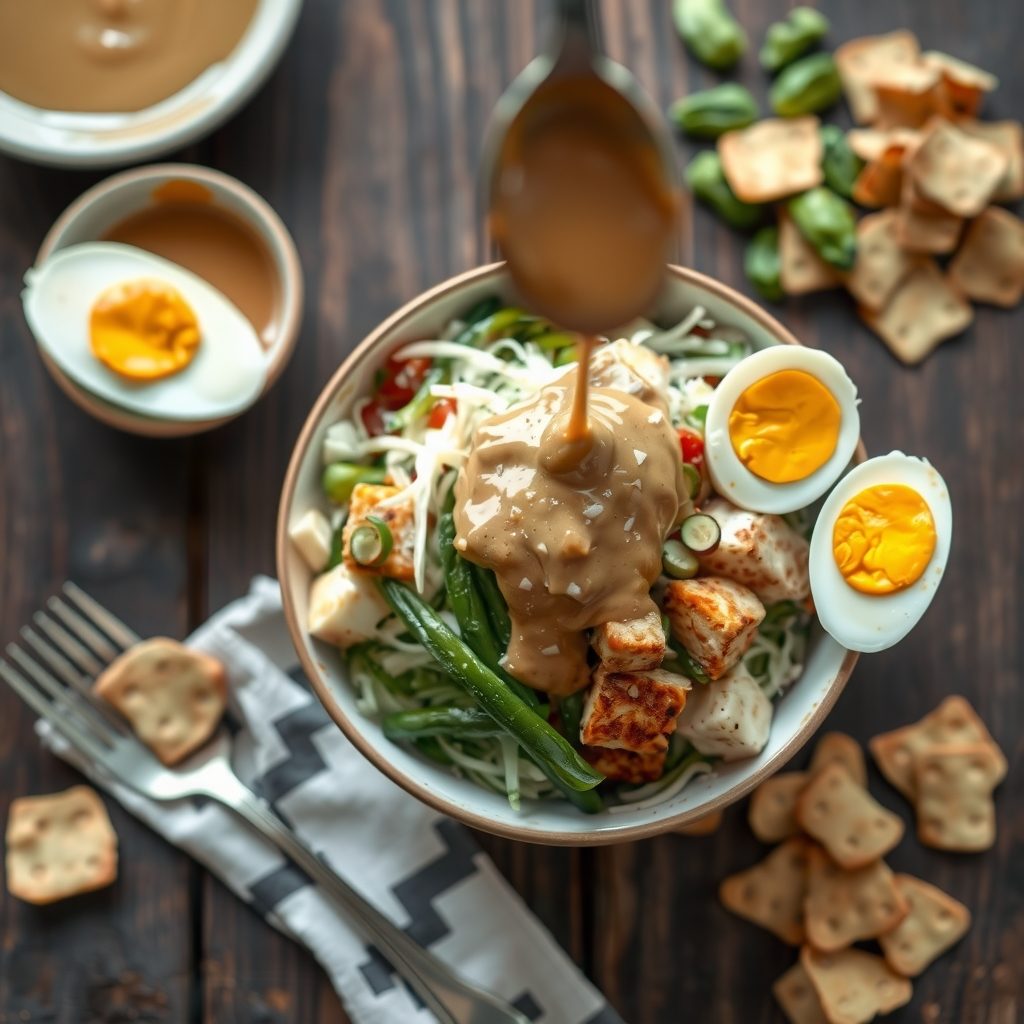
More reading: Kecap Manis Guide, Bumbu Spice Paste Guide.